Monday, 21 October 2013

A FEW VIDEOS OF MY BOMBINA & APUANUS

Right now these following videos were before I moved them... CANNOT RECALL IF I POSTED THEM ALL UP LOL... NEAR BOTTOM IS THE NEW ARRANGEMENT SET UP AND SOME SURPRISING APPEARANCE OF SOME EGGS?!?!


AFTER BEING MOVED (have since added the third strip-light)


After spotting some small dark balls among the plants about the same size as a newt eggs which dumbfounded me, as I do not know what they are and nothing to do with the plants, I almost become confused.

A few days later I glance inside and spot that the balls have now gone a light colour and doing an exact impersonation of a newt egg! Until that is I spot a gelatinous coating! I will add that is really the wrong time of the year from my experience. Added to this the eggs are smaller than they should be and have been laid over a period of a few weeks despite there being only about two dozen of them?!

Very weird as those with experience will note that the egg laying is done rather quickly oin all European species even if they are laid singley! It might take them a couple of nights but you normally look in and see white eggs everywhere, not scrape out a couple of dozen (do not think I even have that much as yet) over a two week period?! Lol!

The possibilities are that they are newly mature or are from a wild population of a lower altitude to the norm as this would mean the climate is warmer and therefore they would breed and lay eggs in our autumn. Otherwise in the 30 degree plus heat bodies of water would not be around long enough. In the south of Iberia most species will spawn or as in the Fire Salamanders, drop their live young in and around December to early January. As this species is found in Northern Italy and not Southern Italy this does suggest that an October time would make sense for animals at lower altitudes. So you see the further south you go in Europe the later this gets, with variations depending on other factors like altitude (as affects temperature) and weather systems (freaky rain in parts of Italy caused by Northerly winds carrying cold air from the Alps clashing with EXTREMELY moist air coming from the Mediterranean across the West Coast before rolling over the Western Mountains and rolling and condensing in the valley between the Western and Eastern Apennines Mountains.

It is this latter freaky combination that drenches the Eastern Mountains where the Salamandra salamandra gigliolii live and are found frequently during daytime hours on Western faces of the mountains. Well until the sun comes up from the East and over the peaks of said mountains thereby warming everything up and evaporating any residual moisture. So probably somewhere between midday and 2pm the moisture disappears as do the Salamanders?! The Bombina found their, Bombina pachypus, also bright orange stay with the streams and pools of water so not at risk of drying out so quick as are the Salamanders. They are a diurnal animals anyway whereas all other Salamanders would extremely rarely be found wandering around during the daytime hours.

Oops I am rambling...

Ichthyosaura apuanus eggs...


ITALIAN ALPINE NEWT EGGS - ICTHYOSAURA ALPESTRIS APUANUS

My friend Stave thought these would lay eggs this time of the year whereas I did not. All the previous times I have kept apuanus they have always spawned (laid eggs) in Spring the same time all other temperate species spawn. However I have always suspected that there will be little pockets of these types with small degrees of variability.

Also added to this was that years ago the old Euproctus found on Sardinia and Corsica were thought to be found at high elevations only and few in number. Until that is they discovered there were thousands of them in  a lake on a Trout farm at much lower elevations than expected!

Despite popular opinion I LIKE being surprised in this way and it is one of the many reasons I have been fascinated by the world of animals since I was about 4 years of age!

Well first I started spotting all these tiny balls I first thought were eggs which turned out not to be. Then a few days later I am looking in and the previously spotted dark eggs were now looking very pale and I though 'oh look now they look even more like eggs....oooh now ait a minute they ARE eggs!!'

LMAO!!

I should point out that as well as laying them during a completely unexpected time of year they have also not laid a great many, in fact I would not be surprised if there were no more than about 15 eggs?! Also these seem to me laid over a long period of time thus far so it could well be that more turn up. They are also quite small too and the jelly capsule very thin to what I have experienced in the past.

First up the balls that were NOT Newt eggs and I also have them in my outdoor pond on the weed that has no amphibians in it! Lol. That was how I realized ultimately they were NOT Newt Eggs!


Then no more than a week later I look into the small aquarium they live in and notice that the round balls now look very pale and think how weird it is these NON-NEWT EGGS are now confusing me even more! Until I look closer and spot a thin layer of clear jelly and then realise that these ARE INDEED Newt Eggs!


ADULT JAGUAR CARPET PYTHON PARENTS - MORELIA SPILOTA

Now you have seen the pictires of those young Jaguar Carpet Pythons previously and now the adults are up at my friends store!!

Here are pictures of the adult pair...

Makes me want to but two youngsters, lol.


WHITE (LEUCISTIC) ROYAL PYTHON - Python regius

And now another of the same but this one completely White Royal Python...

Cannot remember which colour form it was, think it was Leucistic as opposed to a straight albino? As I have stated previously even years ago when colour forms of Corn Snakes started popping up I was never a big lover of them...

...however saying that, this snake IS quite remarkable and quite striking when your standing in front of a fully grown adult such as this one!


PIEBALD ROYAL PYTHON - Python regius

Well I apologise as I have been inundated with ... mundane and unneccessary activities forced upon me by professional people supposedly there to help the public but lie something terrible, even when your life depends on it now it seems. Bah HUMBUG.

Anyway had a few photographs of things knopcking around a couple of weeks now and first up is this rather nice looking Pied Royal Python...


Friday, 11 October 2013

GIANT SPINY TAILED LIZARDS - UROMASTYX AEGYPTICUS

One of my most favoured genus of lizards with one of my least favoured species from it.

But nevertheless still damned nice as these are the giant form of SPiny Tailed Lizards or Uromastyx otherwise known as Uromastyx aegypticus. They are in my friends store right now and are not little, but neither are they fully grown either!

Real nice find for anyone into thus genus!!

Added benefit are that their diet is nigh on vegetation for about 90% of it. They are like Tortoises without shells, extremel tame, never bite and some of the smaller ones like acanthinurus, ocellatus, oranata and maliensis are extremely colourful. Colours of the smaller ones can have greens, reds, blues, yellows, purples and others! They are one of my most favoured lizards for a reason....ooh well OK a whole list of reasons!!

LMAO!


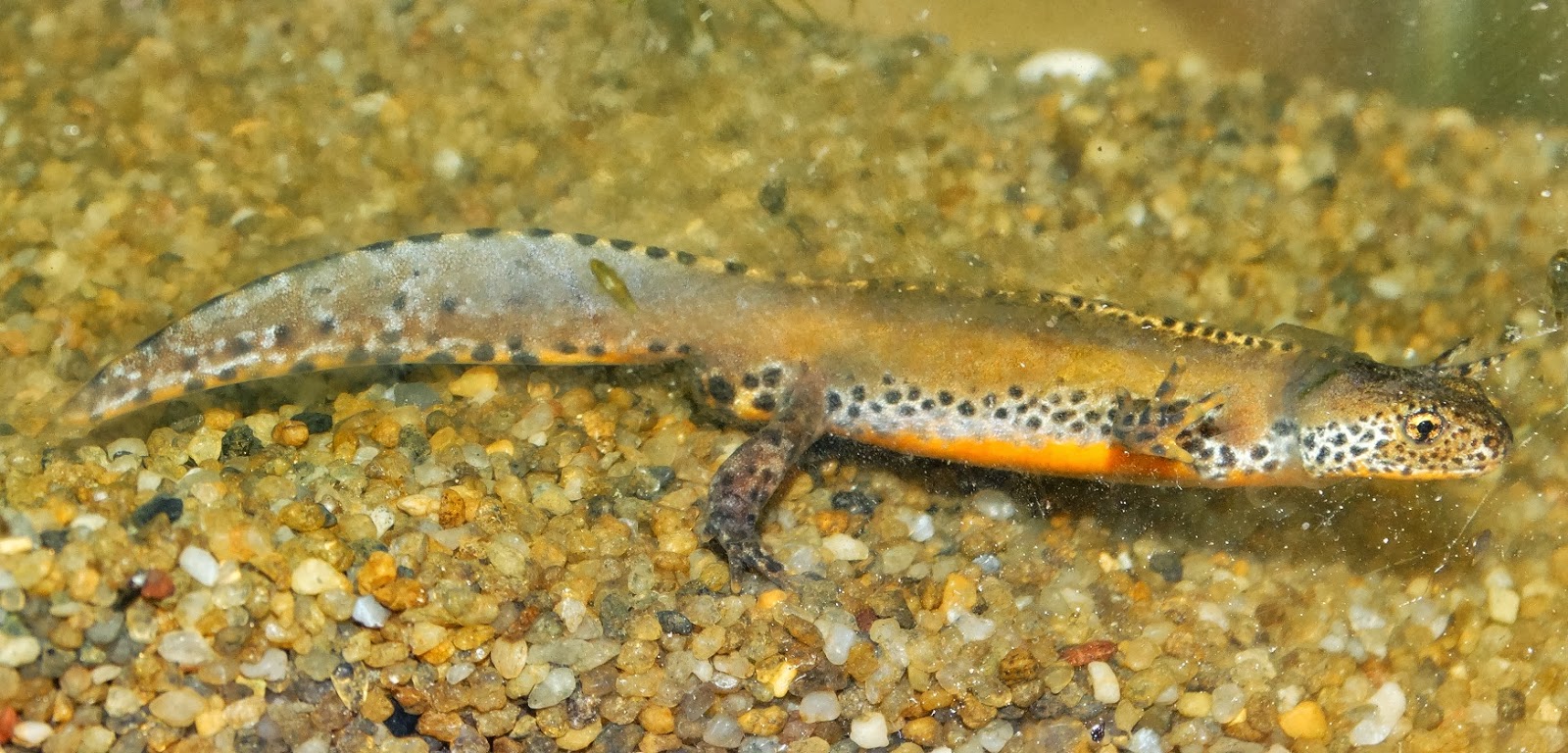
NORTH ITALIAN ALPINE NEWT - ICHTYOSAURA ALPESTRIS APUANUS

There are at least ten types of Alpine Newt to my knowledge and I have only seen a handful of these, though more than most.

Their Latin name is Ichtyosaura (REALLY STUPID NAME) alpestris and of the subspecies I have seen are alpestris, cyreni, apuanus, lacusnigri (guessing), veluchiensis (guessing), montenegrinus (neotenic with gills) and inexpectatus.

Now I would have thought that if they have changed the name, everyone hates it as do I and its utterrly wrong as it means  Fish Lizard and I think Prehistoric Lizard, that they would have therefore split up the susbpecies into separate species?! Not to bright then ione that did this and should nt be re-classifying animals in my oipnion. What makes it worse is that there was briefly another name of Mesotriton which made more sens but was more FRENCH than LATIN, with TRITON being French for newt. Good job they did not name toads as CRAPAUD is French for Toad! LMAO!

There are a few I have not seen and I would like to see veluchiensis and lacusnigri again to confirm two unusual females I had as a teenager.

Now apart from the absolutely tiny montenegrinus I had many moons ago the smallest and by far the prettiest (that I am currently aware of) of these blue, silver, yellow and orange newts is apuanus from North Italy. It is unique in such a way that I can recognise the species by seeing a lone female at a glance in a glass tank! Indeed I did just that when these guys turned up and I was NOT expecting it if I am honest!

I owe the man that brought them in and the man they came from a debt of thanks.

Now here are some pictures and I must warn you that despite what you may think about them the males are not in breeding condition and so not fully coloured up, not even close and not by a long shot. Check back in February for those photos, lol.

Meanwhile here are the said photos and next Spring I intend to do a great deal more with these guys and their other subspecies!!


MALES...

 IN breeding that silver band with black dots gets brighter and covers lips, mouth and eyes. Down side it has a metallic turquoise stripe as its BORDER! LOL.

You can see a duller turquoise stripe in the following picture.

 Some blue remains on the tail but in breeding is much brighter and covers entire back.


NOTE VESTIGES OF A YELLOW CREST...

 FEMALES...


Even the females have a subtle but quite unique pattern along with quite smooth skin.